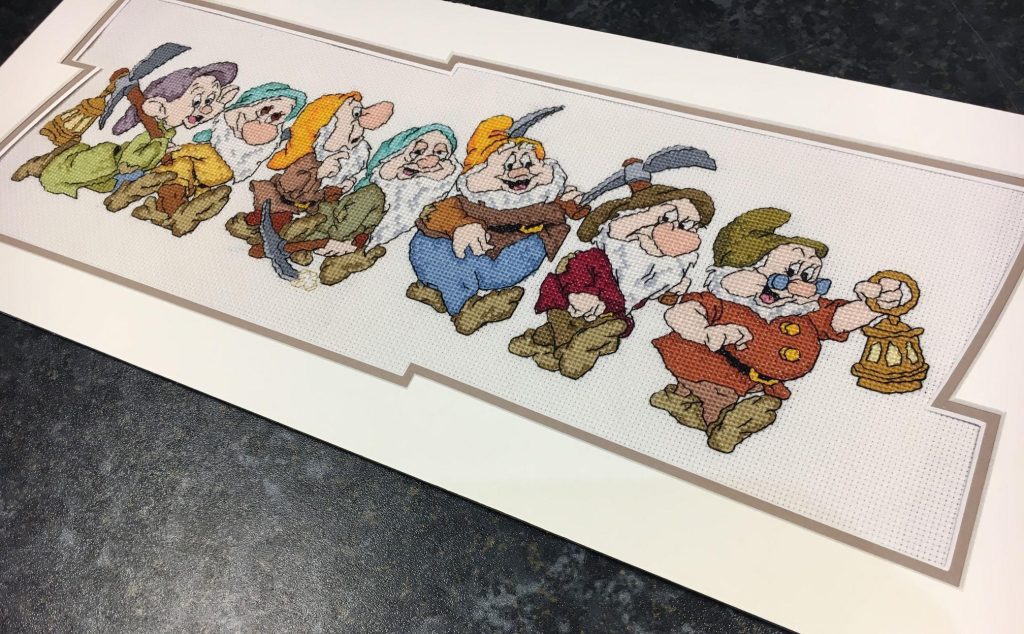
How to Frame Cross Stitch, Needlework or Embroidery Properly
How to Frame Cross Stitch, Needlework or Embroidery Properly
Needlework, cross stitch and embroidery are more than decorative pieces. They often represent hours of careful work, personal creativity and sometimes years of sentimental value. Whether you have completed a new cross stitch design, inherited a piece of family embroidery or created a special handmade gift, knowing how to frame cross stitch properly is essential if you want it to look beautiful and last for years.
At Boldon Framing, we understand that textile artwork needs a different approach from standard prints and photographs. Fabric can stretch, crease, fade or become damaged if it is not mounted correctly. In this guide, we explain how to frame cross stitch, needlework and embroidery properly, and why professional framing is often the safest choice.
Why Proper Framing Matters for Needlework
Unlike paper artwork, fabric has texture, movement and depth. Threads sit proud of the surface, stitches can be delicate and the fabric itself may react to moisture, pressure or poor handling. If a piece of embroidery or cross stitch is framed incorrectly, it can become wrinkled, distorted or permanently marked.
Understanding how to frame cross stitch correctly helps to:
- Keep the fabric flat and evenly tensioned
- Protect stitches from dust, dirt and handling
- Prevent the fabric from touching the glass
- Reduce the risk of fading caused by sunlight
- Preserve the piece for future generations
- Present the work in a clean, professional way
A carefully framed piece does not just protect the needlework. It enhances the craftsmanship and turns it into a finished artwork ready to display.
Step 1: Prepare Your Needlework Before Framing
Before framing any cross stitch, embroidery or tapestry, it is important to make sure the piece is clean and ready. If you have recently completed the work, check for loose threads, hoop marks, creases or dust.
When people ask how to frame cross stitch, preparation is one of the most important steps. Some needlework can be gently hand washed, but this depends on the fabric, threads and dyes used. Not all materials are colourfast, and older or delicate pieces may be too fragile to wash. If you are unsure, it is always better to ask a professional framer before attempting to clean it yourself.
Allow the piece to dry fully before framing. Never frame damp fabric, as trapped moisture can lead to mould, mildew or staining.
Step 2: Choose the Right Mounting Method
One of the most important parts of learning how to frame cross stitch is understanding how the fabric should be mounted. The fabric needs to be held flat without being pulled too tightly or damaged.
A common professional method is lacing, where the fabric is carefully stretched over a suitable backing board and secured with thread at the back. This allows the tension to be adjusted evenly and avoids using adhesives on the textile itself.
Adhesive tapes, glue and self-adhesive boards should generally be avoided for valuable or sentimental needlework. These can stain fabric, weaken over time or make the piece difficult to remove in the future. While quick DIY methods may seem convenient, they can cause long-term damage.
Professional framers use conservation-conscious methods designed to support the fabric without compromising the stitching.
Step 3: Keep the Needlework Away from the Glass
Needlework should not be pressed directly against the glass. This is especially important for embroidery, raised stitching, beads or thicker threads. If the stitches touch the glass, they can become flattened, distorted or affected by condensation.
A key part of how to frame cross stitch properly is creating space between the textile and the glazing. A mount, spacer or deep frame can create a small gap between the textile and the glass. This allows the piece to breathe and helps preserve the texture of the stitches.
For many embroidery and cross stitch pieces, a window mount can provide an attractive border while also helping to separate the fabric from the glass. Alternatively, a box frame or deeper moulding may be recommended for thicker textile work.
Step 4: Select a Frame That Complements the Piece
The right frame should enhance the needlework without overpowering it. Traditional cross stitch designs may suit classic wood frames, while modern embroidery can look excellent in a simple contemporary frame.
When deciding how to frame cross stitch, consider:
- The colours in the stitching
- The style and age of the design
- Where the finished piece will be displayed
- Whether you want a traditional or modern look
- The depth required for the textile and mount
A good frame should feel balanced. It should draw attention to the craftsmanship, not distract from it.
At Boldon Framing, we can help you compare frame samples and mount colours so you can see what works best with your needlework before making a decision.
Step 5: Consider Conservation-Grade Materials
If your embroidery or cross stitch has sentimental, financial or historical value, conservation framing is highly recommended. This involves using materials that are designed to protect artwork over time.
Conservation-grade mountboard and backing boards help reduce the risk of acid damage and staining. UV-protective glass or acrylic can also help reduce fading, especially if the piece will be displayed in a bright room.
Anyone researching how to frame cross stitch should also think about long-term protection. Although no glazing can completely stop fading, UV protection can make a significant difference to the long-term appearance of textile artwork.
Step 6: Display Your Framed Needlework Carefully
Once your needlework has been framed, where you hang it matters. Avoid placing textile artwork in damp rooms, above radiators or in direct sunlight. Bathrooms, kitchens and conservatories can be risky because of humidity, heat and changing temperatures.
The best location is somewhere dry, stable and away from strong sunlight. This helps keep the fabric, threads and frame in the best possible condition.
Knowing how to frame cross stitch is only part of the process. Displaying it in the right environment will help preserve the finished piece for longer.
Can You Frame Cross Stitch Yourself?
It is possible to frame cross stitch yourself, especially if the piece is simple and not particularly valuable. However, achieving an even, professional finish can be harder than it looks. Fabric can easily sit slightly crooked, tension can become uneven, and the wrong materials may cause damage over time.
If you are wondering how to frame cross stitch at home, remember that the safest methods avoid glue, sticky tape and direct contact with glass. For special pieces, gifts, heirlooms or detailed embroidery, professional framing is usually the best option. A skilled framer can advise on mounting, frame depth, glass options and conservation materials to suit your specific textile.
Professional Cross Stitch and Needlework Framing in Boldon
If you are looking for expert needlework framing, cross stitch framing or embroidery framing in Boldon, Boldon Framing can help. We take care to handle textile artwork properly, using suitable mounting and framing methods to protect and present your work beautifully.
Many customers come to us asking how to frame cross stitch in a way that looks professional and lasts. Whether it is a small cross stitch, a detailed embroidery, a tapestry, a family keepsake or a handmade gift, we can help you choose the right frame, mount and finish.
Final Thoughts
Framing needlework properly is about more than making it look attractive. It is about protecting the time, skill and meaning stitched into every detail. With the right preparation, mounting, materials and frame choice, your cross stitch or embroidery can be enjoyed for many years to come.
For professional advice on how to frame cross stitch, needlework or embroidery, contact Boldon Framing today or visit us to discuss your piece in person.